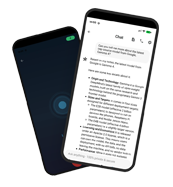
Your Private, Offline AI Assistant.
Take notes and chat with a smart AI agent directly on your Android device. No cloud, completely private, and 100% free.
download
Edge AI Explained: How Edge Computing Powers On-Device AI
75% of enterprise-generated data will be created and processed outside a traditional centralized data center. The cloud is not disappearing — but the center of gravity for AI is shifting toward the edge, where the data is actually born. Edge AI is the engine of that shift.
TL;DR: Edge computing moves processing close to where data is generated; on-device AI is a specific form of it that runs models directly on phones, wearables, and IoT devices. Together they cut latency to milliseconds, keep sensitive data off the cloud, save bandwidth, and let AI work offline — while the cloud still handles the heavy training. The edge AI market is projected to grow from $24.91B in 2025 to $118.69B by 2033.
Edge AI is the practice of running AI algorithms on or near the device that generates the data — on the device itself, at a nearby gateway, or on a local server — rather than in a distant cloud data center. It complements cloud computing rather than replacing it: the cloud trains the models, the edge runs them.
AI-generated image
What Edge Computing Actually Is
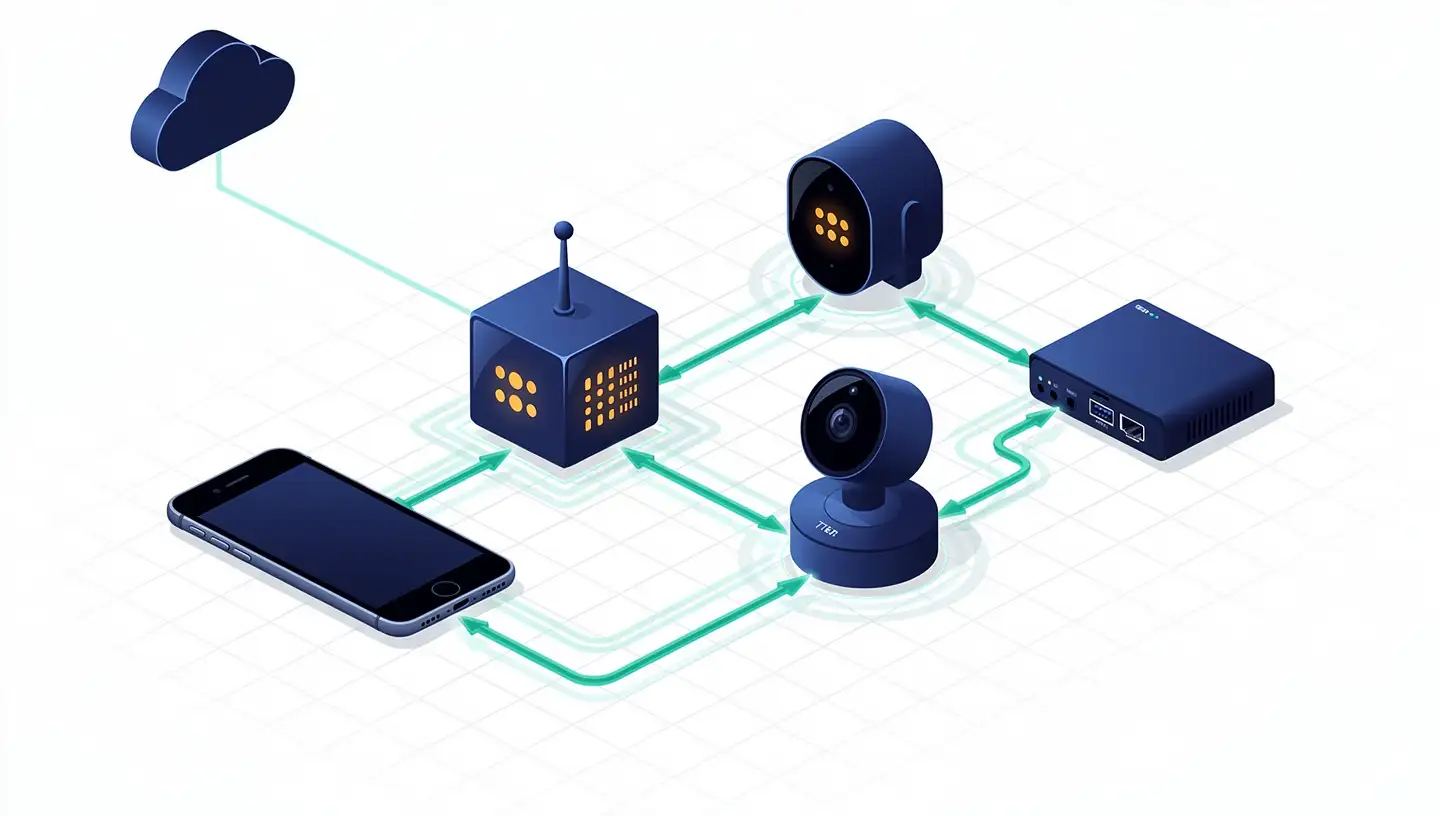
Edge computing is a distributed computing paradigm that moves computation away from centralized data centers toward the edge of the network — closer to where data is actually generated. Instead of sending every piece of data to a remote cloud for processing, edge computing leverages smart devices, mobile phones, or network gateways to perform tasks and provide services on behalf of the cloud.
The core principle is straightforward: process data where it's created rather than forcing it to make round trips to distant servers. By processing data at a network's edge, edge computing reduces the volume of data that has to travel between devices, servers, and the cloud — which is particularly important for AI workloads, where the data volumes are massive.
Edge devices range widely: smart cameras, IoT sensors, network gateways, on-premise edge servers, and end-user devices like phones and laptops. NVIDIA's Jetson Orin series is a typical example of dedicated edge AI hardware — with multiple NPUs tailored for processing AI tasks at low latency.
On-Device AI vs Edge AI: Where the Line Sits
The two terms overlap but are not identical.
On-device AI runs models directly on the end user's device — phone, watch, laptop — without leaving the physical device boundary. Edge AI is broader: it includes on-device AI, but also processing on nearby gateways, IoT hubs, and local servers — anything that avoids sending data to a distant centralized cloud.
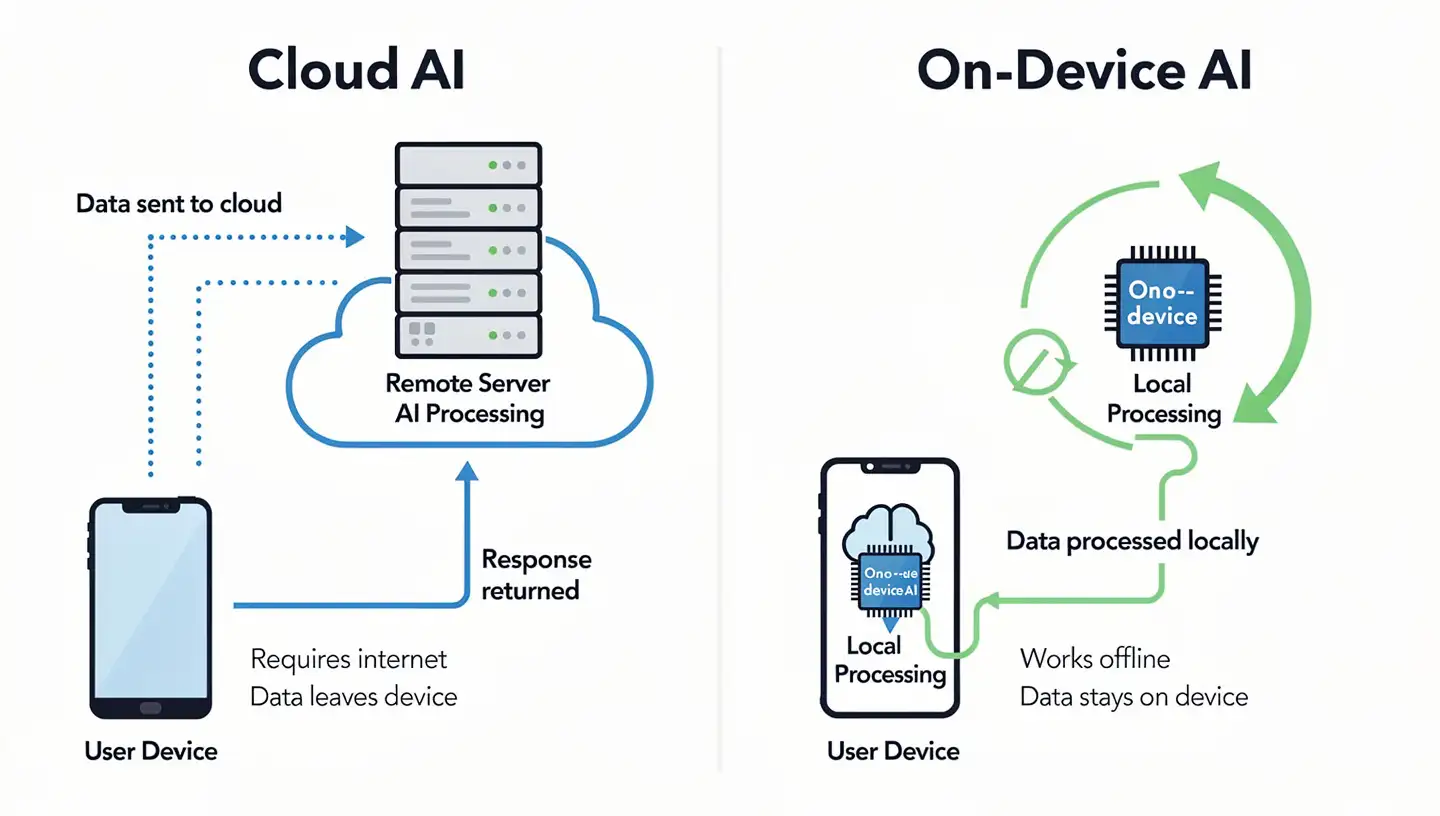
A useful way to think about it: on-device AI is the strictest form of edge AI. If on-device processing handles the workload, edge AI is satisfied. If the device can't handle it alone, an edge server within the same network can pick up the load — still without crossing into cloud territory.
Hardware is now catching up to the ambition. The use of specialized components like Neural Processing Units (NPUs) significantly improves the efficiency of on-device AI calculations while keeping power consumption down. AI performance on mobile devices has increased by double-digit percentages with each new chip generation, allowing larger generative AI models to run locally.
Edge AI vs Cloud AI: The Trade-offs
The choice between edge and cloud is not "one or the other" — it's a deployment decision per workload.
Factor | Edge AI | Cloud AI |
|---|---|---|
Where processing happens | On device or nearby gateway | Centralized data center |
Latency | Milliseconds, real-time | Network round-trip dependent |
Privacy | Data stays local | Data transmitted to servers |
Bandwidth | Minimal — only insights sent | High — raw data uploaded |
Offline capability | Yes | No |
Best for | Inference, real-time decisions | Model training, heavy analytics |
Hardware constraint | Device limits | Effectively unlimited |
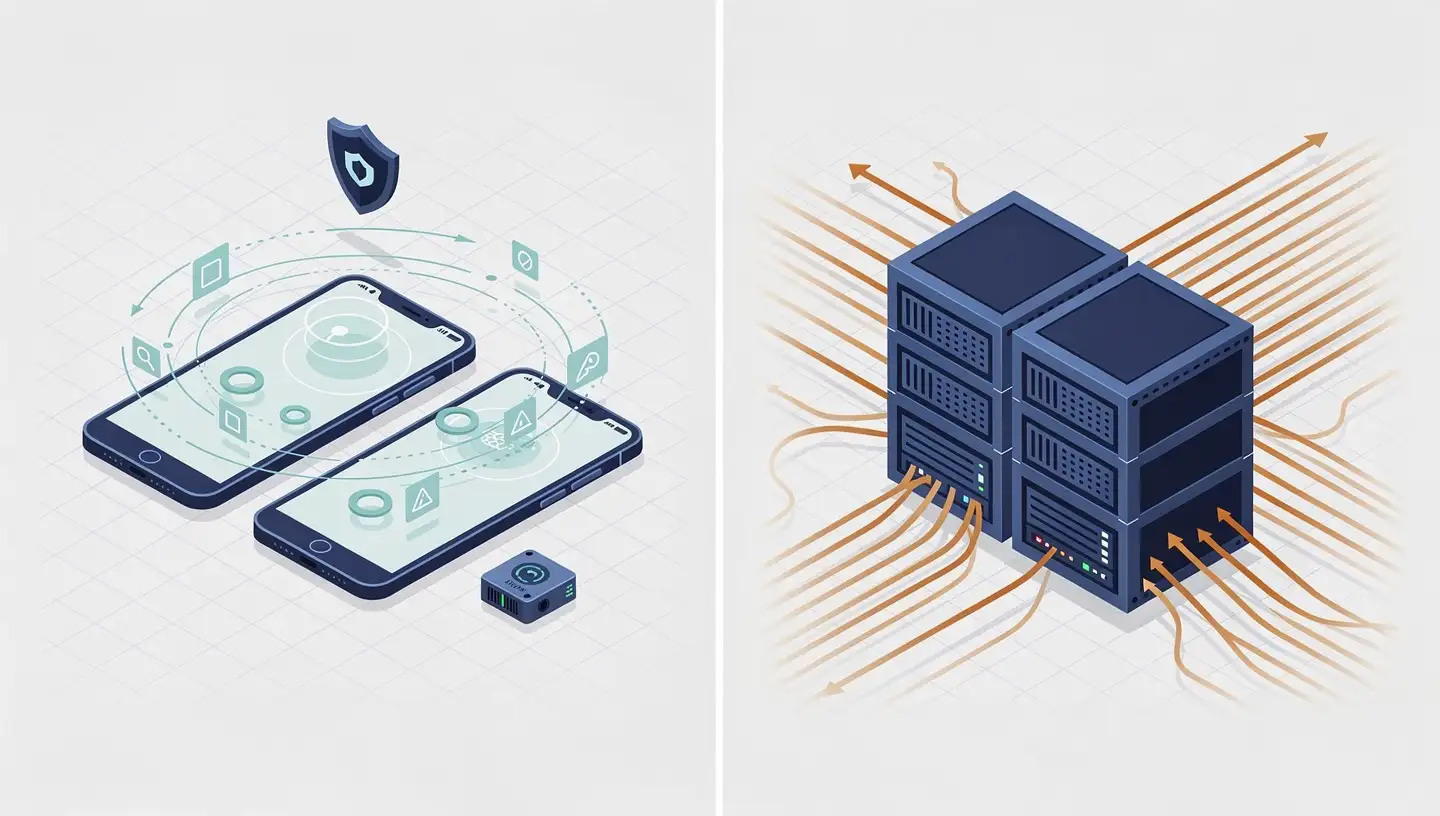
Cloud computing remains essential for resource-intensive work like model training and refinement. Cloud and edge complement each other: the cloud handles the heavy lifting of training and updating AI models, while the edge executes those models locally for fast, low-latency decisions. Processing generative AI on-device avoids latency from congested networks and lets a query execute anywhere, anytime.
The trade-off comes down to where each strength lives. The traditional cloud model faces high service latency and inefficiencies on real-time data; edge computing addresses both by processing massive data locally. Edge AI eliminates the round trips that hold back use cases with complex models and strict latency budgets — fully autonomous vehicles, augmented reality, industrial real-time control.
How Edge Computing Complements On-Device AI: Four Concrete Benefits
1. Latency drops from seconds to milliseconds
Edge AI processes data locally on devices, significantly reducing latency and providing faster real-time responses compared to cloud-based AI. On a fully autonomous vehicle, edge AI enables onboard analysis of camera, radar, and lidar data so that object detection, lane keeping, and collision avoidance happen instantaneously — no cloud round trip. With standalone 5G further reducing round-trip latency below 10 milliseconds, ultra-low-latency applications like factory automation become feasible at scale.
2. Privacy improves by default
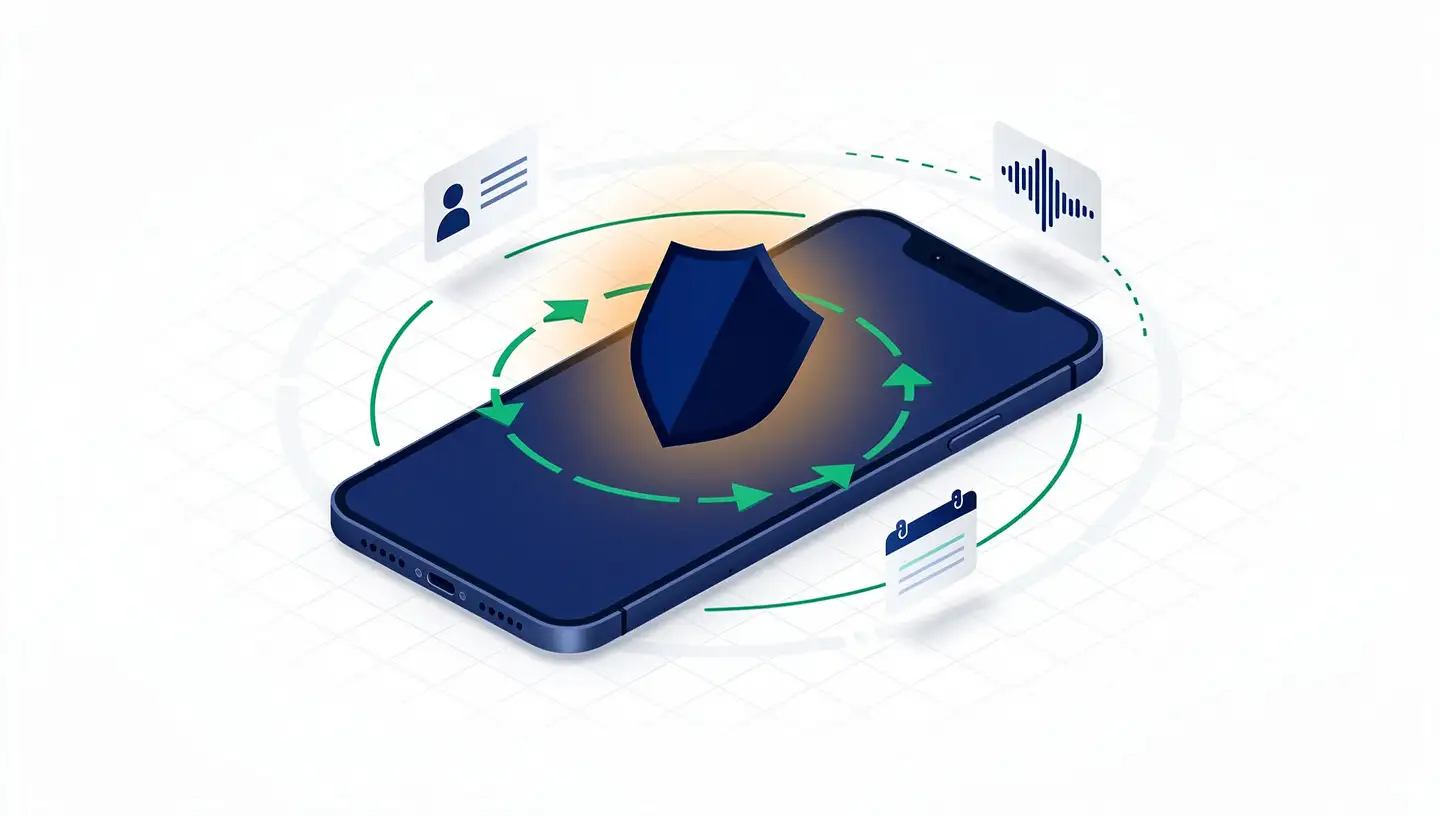
Keeping and processing data at the edge increases privacy by minimizing the transmission of sensitive information to the cloud, effectively shifting ownership of the data from service providers to end users. On-device AI inherently protects user privacy because queries and personal data remain solely on the device — important for medical, enterprise, and government applications. Edge AI also supports compliance with GDPR and HIPAA, since sensitive data does not cross network boundaries.
3. Bandwidth use drops dramatically
By processing data locally, edge AI minimizes bandwidth use, making it ideal for scenarios with limited or unreliable internet. In autonomous vehicles, edge AI transmits only critical events — accident data, fleet analytics — rather than continuously streaming raw sensor data, dramatically reducing network load. As IoT device populations grow into the tens of billions, this becomes a cost-control mechanism, not just a performance one.
4. The system keeps working offline
Edge AI applications can function autonomously on local devices without constant cloud connectivity. Edge AI devices can run offline, making them ideal for applications that cannot depend on a stable internet connection. On-device AI can operate independently of network connectivity, which makes it reliable in areas with poor or no internet — and in environments where outages are catastrophic.
Real-World Use Cases
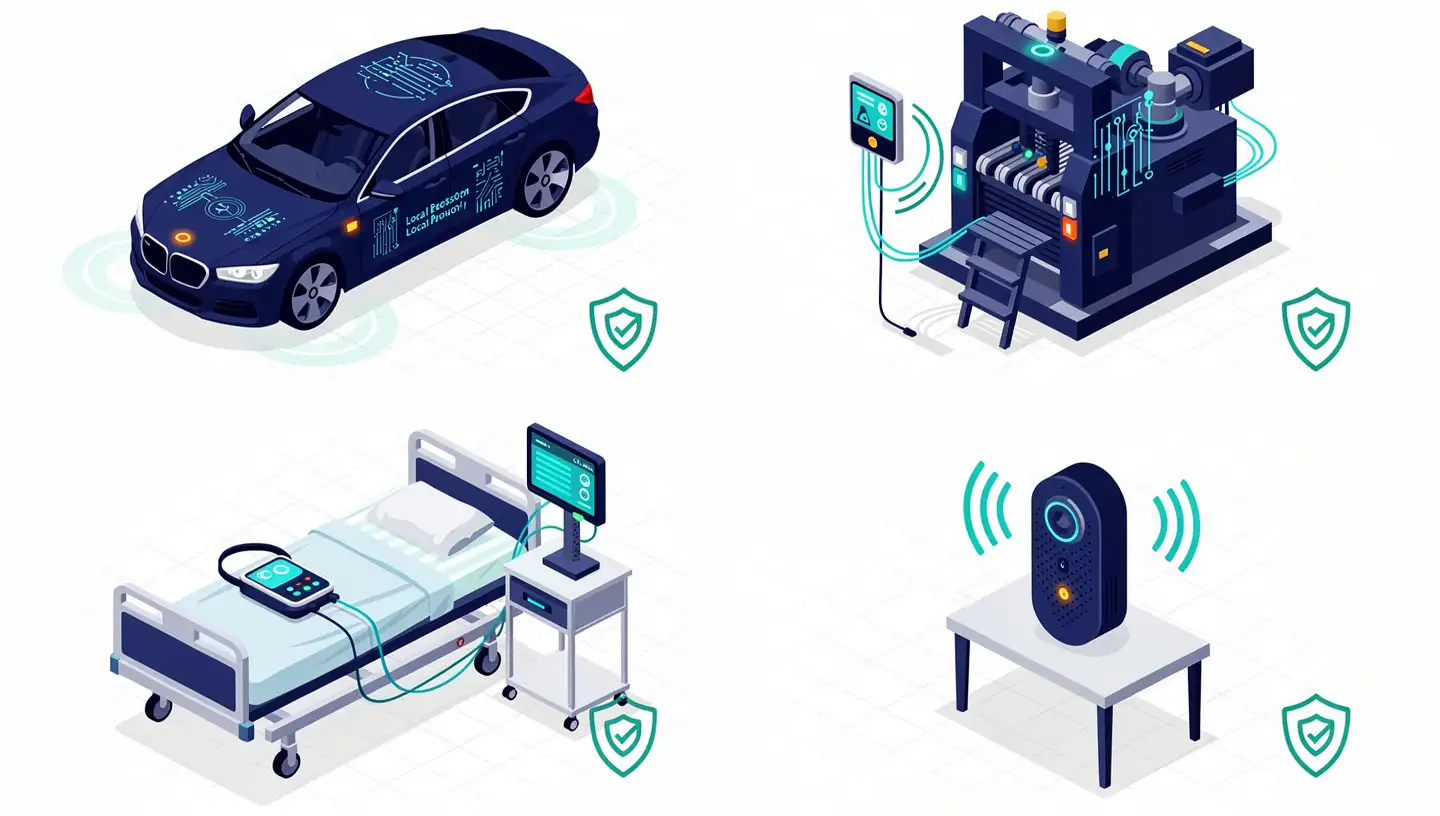
The combined power of edge computing and on-device AI is already deployed across multiple industries.
Autonomous vehicles. Edge AI enables real-time onboard analysis of sensor data, supporting object detection, lane keeping, and collision avoidance without internet connectivity. Edge computing can also enable autonomous platooning of truck convoys — letting trucks communicate with each other at ultra-low latency, potentially eliminating drivers in all but the front truck.
Industrial monitoring and predictive maintenance. AI algorithms at the edge can detect machine malfunctions in real time on a factory floor, enabling immediate repairs and optimized workflows. Edge IoT sensors monitoring machine health with low latencies can spot anomalies before failures occur.
In-hospital patient monitoring. Edge processing keeps patient data local for privacy while enabling right-time notifications to clinicians on unusual patient trends.
Smart homes and consumer devices. Voice assistants, smart cameras, and wearables benefit from edge AI through faster response times and better privacy. Local data processing reduces backhaul costs and improves the responsiveness of devices like voice assistants.
Remote monitoring in energy and infrastructure. Edge computing enables real-time analytics on assets in the oil and gas industry by processing data closer to the asset, reducing reliance on high-quality connectivity to a centralized cloud.
When deployed at the edge, data feedback loops can also be used to improve AI model accuracy, allowing multiple models to run simultaneously without being bottlenecked by network bandwidth.
Market Growth: The Numbers
The edge AI market is in the explosive growth phase, mirroring the broader AI infrastructure boom.
Global edge AI market: 24.91billionin2025,projected24.91billionin2025,projected118.69 billion by 2033 — a 21.7% CAGR.
Share of data processed at the edge: 10% in 2021 → 75% projected by 2025.
Enterprises with edge use cases in production: ~5% in 2019 → ~40% in 2024.
Global edge computing market (broader than just AI): $21.4 billion in 2025, projected to reach $263.8 billion by 2035 at a 28% CAGR.
The data-volume trend is what makes this inevitable. Enterprise IoT connections exceeded 19 billion as of 2025, producing exabyte-scale telemetry — at that scale, sending everything to a centralized cloud is neither economical nor technically practical. Edge processing lowers cloud costs and tightens control loops, increasing equipment uptime by double-digit percentages.
Challenges to Anticipate
Edge computing introduces problems that don't exist in centralized cloud architectures.
Security surface area. Edge computing's distributed nature requires special encryption mechanisms independent of the cloud, and edge processing introduces new data security and privacy challenges that must be addressed. More devices in more locations means a larger attack surface.
Hardware constraints. Edge devices still face limits on processing power, memory, and energy compared to cloud infrastructure. Organizations must carefully match compute requirements to hardware platforms — purpose-built edge AI hardware like NVIDIA's Jetson Orin series exists precisely to bridge that gap.
Model management at scale. Updating and monitoring AI models across thousands of distributed edge nodes is operationally harder than updating a single cloud endpoint. Maintaining consistency, deploying updates, and tracking accuracy across the fleet requires sophisticated orchestration that didn't exist for the previous generation of cloud-only AI.
What Is On-Device AI? Privacy, Speed, and Real Examples
On-device AI runs models locally on your phone, laptop, or wearable — delivering privacy, low latency, and offline access. Learn how it works in 2026.
On-Device AI and GDPR: Achieving Data Minimization
On-device AI satisfies GDPR data minimization by keeping personal data on the device. Real examples from healthcare, financial services, and enterprise software.
Frequently Asked Questions
What is edge computing?
Edge computing is a distributed computing model that moves computation away from centralized data centers toward the edge of the network — closer to where data is generated. Smart devices, phones, and network gateways perform tasks locally rather than sending every piece of data to a remote cloud, reducing latency and bandwidth use.
How does edge computing differ from on-device AI?
On-device AI runs models directly on the end-user's device — phone, watch, laptop. Edge computing is broader: it covers on-device processing plus nearby gateways, sensors, and local servers. Both avoid sending data to distant cloud servers; on-device AI is essentially one specific form of edge AI.
How does edge AI improve privacy?
Edge AI keeps sensitive data on the device or local network instead of transmitting it to the cloud, which reduces exposure to data breaches and supports GDPR and HIPAA compliance. Keeping data at the edge effectively shifts data ownership from service providers back to end users.
Can edge AI work without an internet connection?
Yes. Edge AI applications can function autonomously on local devices without constant cloud connectivity, which makes them reliable even in environments with poor or unstable internet — like remote healthcare monitoring or industrial sensors in the field.
How big is the edge AI market?
The global edge AI market was valued at USD 24.91 billion in 2025 and is projected to reach USD 118.69 billion by 2033 — a 21.7% compound annual growth rate. On the data side, only 10% of data was processed at the edge in 2021; that share is projected to reach 75% by 2025.
Conclusion
Edge computing and on-device AI are not competing with the cloud — they are completing it. The cloud trains the models. The edge runs them. The split lets organizations build AI systems that respond in milliseconds, keep sensitive data local, work offline, and scale across billions of IoT devices without bankrupting their network bills.
The numbers say the shift is already happening. 75% of enterprise data outside the cloud by 2025. Edge AI market growing 21.7% per year through 2033. 40% of enterprises with edge use cases in production in 2024, up from 5% in 2019.
For anyone making AI deployment decisions today, the question is no longer "edge or cloud?" — it's "which workload belongs where, and what does the edge tier in our architecture look like?" Start with the workloads where latency, privacy, or bandwidth constraints make the cloud impractical. The edge AI stack — hardware, frameworks, and the design patterns to use them — is mature enough to deploy now.